Understanding a Crucial Step in Crafting a Durable Decking and Siding Product
When it comes to high performance wood products, especially for outdoor use, one factor is often overlooked by consumers—the drying process. At Robi Decking, we know that how wood is dried will make or break its long-term performance. Whether you’re a homeowner planning a backyard deck or a landscape architect designing a public space, here’s why proper wood drying is so important.
What Does “Proper Drying” Mean?
Proper drying means reducing the wood’s Equilibrium Moisture Content (“MC”) to an optimal level for its final application and climate. For indoor flooring or furniture this is 6% to 8% in most of the USA. For outdoor decking this is 10% to 14% for most of the USA. Drying is performed through a delicate combination of air drying (natural drying in a controlled climate) and/or kiln drying (using a controlled chamber that uses air flow, moisture and heat).
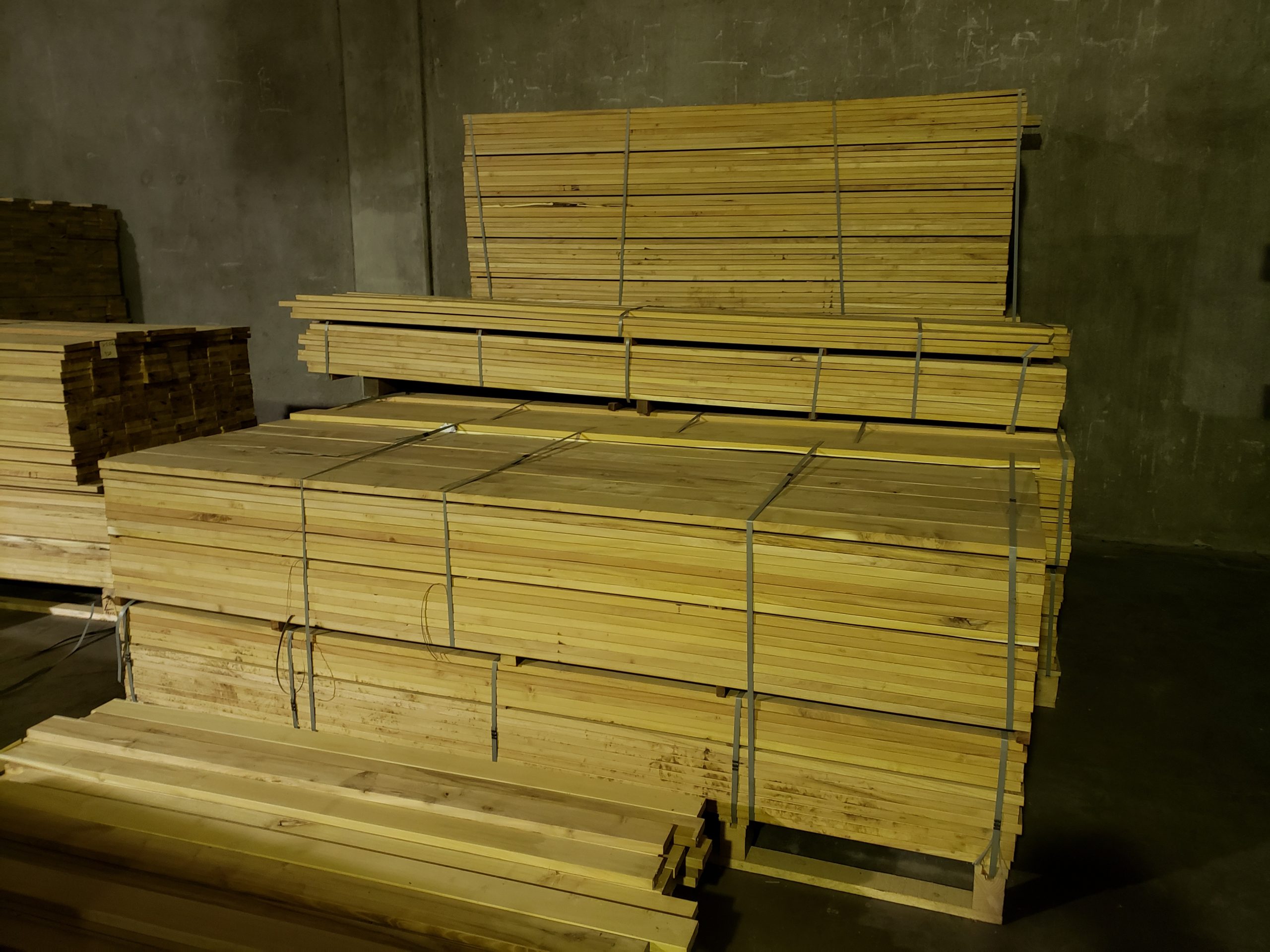
At Robi Decking, the lumber used for decking and siding are typically air dried for 3 months and then kiln dried to precise moisture specifications that align with the USA climate zones in which the products will be installed. This attention to detail ensures stability, workability, and longevity.
Why It Matters
1. Stability & Performance
Wood that isn’t dried properly is likely to warp, cup, or twist once installed. Improperly dried boards may shrink or swell excessively as they adjust to their environment, leading to unsightly gaps, surface cracks, or even structural issues.
Properly dried wood stays dimensionally stable—holding its shape and integrity for decades, especially in hardwoods like Black Locust and Sassafras.
Lumber that is only air dried, tends to dry unevenly resulting in movement issues with the product in service. Air drying of wood alone is imprecise and time consuming, an old rule of thumb is that for every inch of thickness, you need 12 months to dry the wood to the local EMC. So to yield a 2 x 6 decking board, that would require 2 years of air drying.
2. Improved Workability
Kiln dried wood is easier to mill, cut, and install with precision. Contractors and installers love working with properly dried lumber because it’s:
- Less prone to splitting when fastened
- More receptive to sealers and finishes
- Easier to match for tight joints and flush surfaces
- Prevention of Mold, Decay & Insects
Wood that retains too much moisture is a breeding ground for mold, mildew, and decay fungi—not to mention wood-boring insects. Drying wood to the correct moisture content makes it far more resistant to these threats, especially when paired with the natural rot-resistance of species like Black Locust and Sassafras.
4. Consistency in Appearance
Drying enhances grain clarity and color tone, making it easier to achieve a cohesive aesthetic across your project.
In Short: Drying Isn’t Optional—It’s Essential
From hot and humid coastlines to cold and dry mountain decks, Robi Decking products are crafted to withstand all climates. That performance starts with the correct wood species for the application and continues with the right drying process. If you are buying any wood decking or wood siding, we suggest taking a look at your local EMC, here is a helpful guide, and then ensuring that your wood is properly dried to the local EMC through kiln drying.