If you’ve been researching hardwood decking for any length of time, you’ve probably come across Ipe. For decades it was the gold standard of tropical hardwood decking — prized for its density, its natural beauty, and its almost-legendary durability. Architects specified it. Contractors installed it. Homeowners paid a premium for it.
That era is ending.
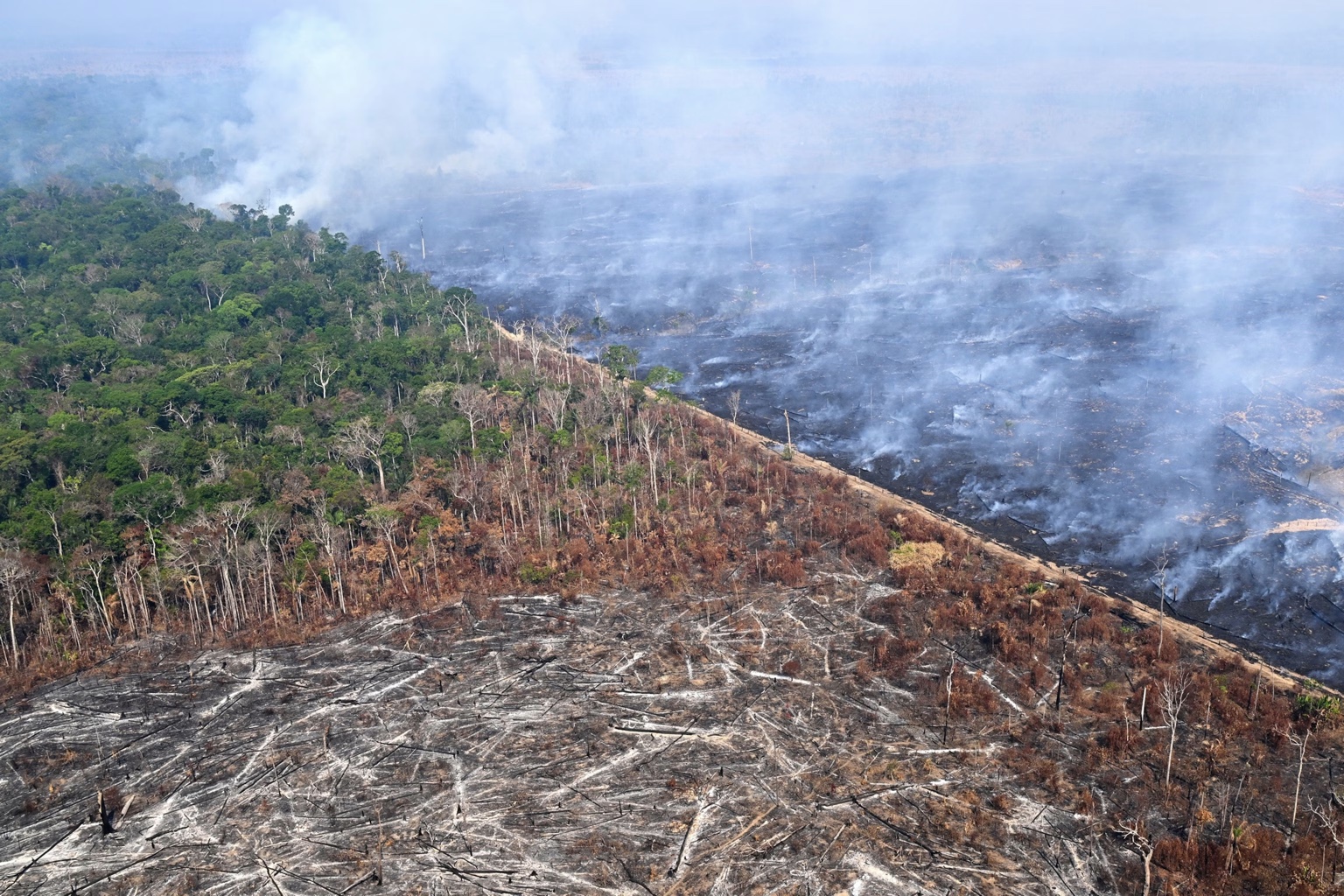
In 2025, both Ipe (Handroanthus spp.) and Cumaru were officially listed on CITES Appendix II — the international treaty that restricts trade in species threatened by exploitation. This doesn’t mean Ipe decking disappears overnight. But it does mean tightening supply, rising prices, more complicated import paperwork, and — for anyone who cares about sourcing materials responsibly — a reason to seriously reconsider.
So what do you use instead? Here’s an honest breakdown.
What the CITES Listing Actually Means
CITES Appendix II covers species that are not yet facing immediate extinction but could if trade is not controlled. Ipe’s listing means that any international shipment now requires export permits issued by the country of origin — in practice, Brazil, where the vast majority of commercial Ipe is harvested.
The practical consequences: expect longer lead times, higher prices as compliant supply shrinks, and increased scrutiny around chain-of-custody documentation. For commercial projects subject to green building standards or institutional procurement rules, Ipe is becoming a much harder specification to defend.
For Cumaru, the second-most popular Brazilian decking hardwood, the same restrictions apply.
The Alternatives — Ranked Honestly
1. Black Locust (Our Top Pick)
Black Locust (Robinia pseudoacacia) is the strongest and most naturally rot-resistant hardwood species native to North America. The USDA Wood Handbook places it in the highest durability class — “very resistant to decay” — the same tier as Teak. Its Janka hardness of 1,700 lbf compares favorably with many tropical species, including Ipe itself.
Unlike Ipe, Black Locust grows prolifically across the eastern United States, reaches harvestable size in 20–30 years (vs. 200–300 for Ipe), requires zero chemical treatment, and is available with FSC certification. It weathers to the same silver-gray patina that designers love in Ipe, and it performs across every climate — coastal, cold, and rooftop environments included.
It costs less than Ipe, is not subject to any import restrictions, and its supply chain is entirely domestic. For most projects where Ipe was previously specified, Black Locust is the most direct, defensible substitution. Want to dive deeper? Check out the Real Pros and Cons of Black Locust.
2. Sassafras
Sassafras is a native North American hardwood that’s been largely overlooked by the decking market — which is a genuine missed opportunity. It’s naturally rot-resistant, lighter than Black Locust (which makes it easier to handle on large installations), and comes in at a lower price point. For residential decks, siding, and moderate-traffic outdoor applications, it’s a compelling choice.
3. Thermally Modified Wood
Heat-treating domestic softwoods like Ash or Pine through a high-temperature, low-oxygen process significantly improves their rot resistance and dimensional stability. Thermally modified wood has a good sustainability story and no chemical treatment. Trade-offs: it’s more brittle than hardwoods, can be harder to source, and the aesthetics vary by species.
4. Western Red Cedar
A classic domestic choice with solid natural rot resistance and a beautiful appearance. Cedar is softer than Black Locust or Ipe, so it dents and scratches more readily on high-traffic applications. It’s widely available and reasonably priced, making it a good option for sheltered or light-use decks.
5. Composite Decking
Composite materials (Trex, TimberTech, etc.) avoid the wood sourcing question entirely (because they are made of plastics…) and require minimal maintenance. Trade-offs include heat retention on sunny days, a less authentic appearance, higher upfront cost on premium lines, and the environmental question of plastic manufacturing and end-of-life disposal. Not a bad choice for low-maintenance applications, but a very different product category. And if you care at all about sustainability, it’s realistically one of the worst choices.
The Bottom Line
The CITES listing of Ipe and Cumaru is a structural shift in the market, not a temporary disruption. For anyone planning a deck, boardwalk, or outdoor structure in 2025 and beyond, now is the right time to build in sustainable domestic alternatives — and Black Locust tops that list.
Not sure which material is right for your project? Compare decking species side by side →
→ Want to Get Your Hands on Some Real Wood?
Robi Decking ships Black Locust and Sassafras lumber and decking nationwide. Request a free sample or contact our team to discuss your project.